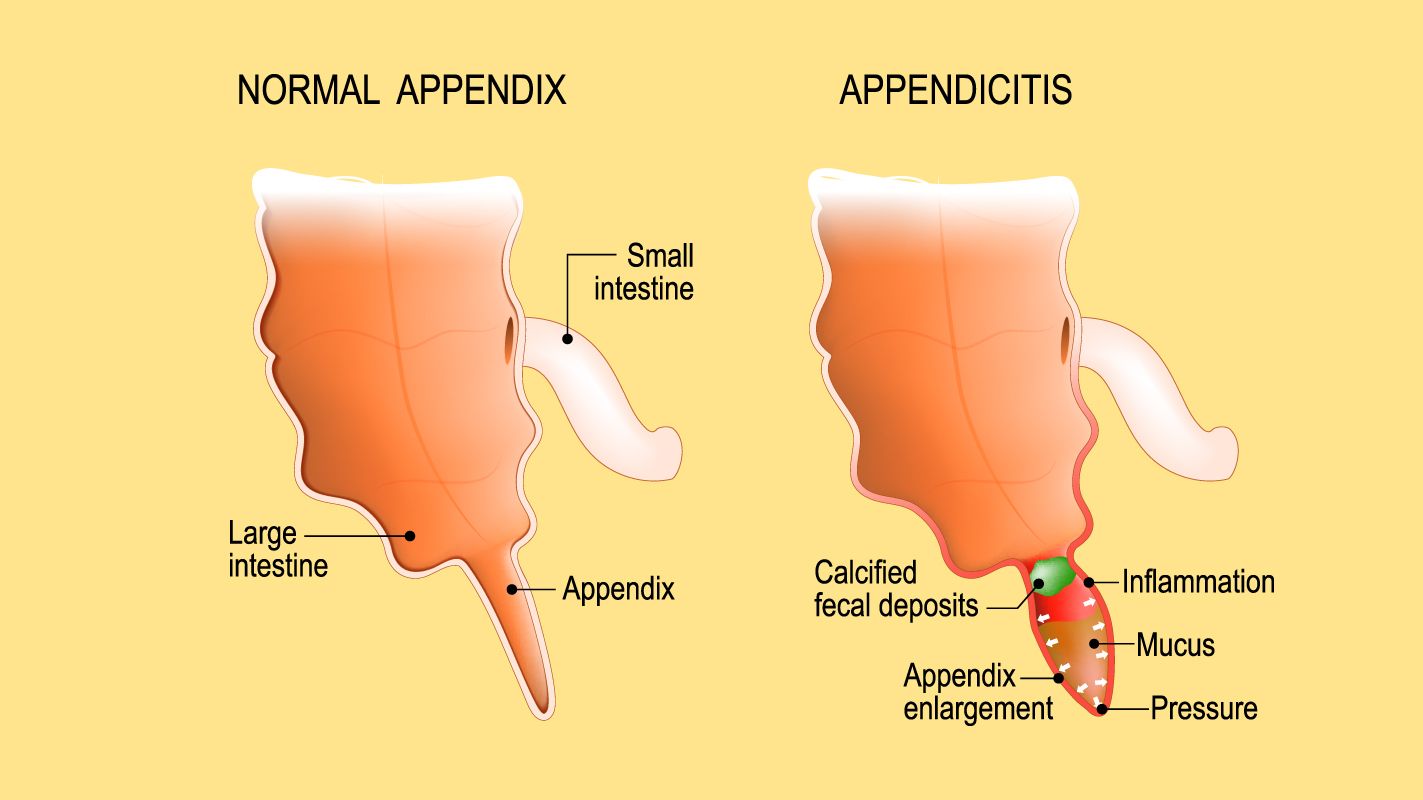

Appendicitis is an inflammation of the appendix—a small tube attached to the large intestine—commonly due to a blockage such as a fecalith, causing infection Book an appointment with the best piles surgeons in Chennai.


Free Pickup

No-Cost EMI

Support in Insurance Claim

1-day Hospitalization


ARUL RADHAKRISHNAN
“best experience at pristyn care ”
 Date: 06-11-24
Ebenezer P
“good”
Date: 24-10-24

wilson
“Good prolite patience Over 👍👍”
Date: 24-03-25
ARUL RADHAKRISHNAN
“best experience at pristyn care ”
Date: 06-11-24
Ebenezer P
“good”
Date: 24-10-24
wilson
“Good prolite patience Over 👍👍”
Date: 24-03-25
An appendectomy is a surgical procedure to remove the appendix, a small, finger-shaped pouch attached to the large intestine on the lower right side of the abdomen. It is commonly performed as an emergency treatment for appendicitis, which occurs when the appendix becomes inflamed or infected.
Appendectomy is the most effective and widely recommended appendicitis treatment, especially when there is a risk of rupture. The appendix does not serve a vital function in the body, so its removal does not cause any long-term health issues.
The usual appendix surgery recovery time is about 1 to 3 weeks at most. The patient will be able to return to work and resume daily activities within a week. Some instructions will be given by the doctor for faster recovery. If you follow all the instructions carefully, you will be able to fully recover in the given time frame.
The results of an appendectomy are immediate as the patient will get relief from the symptoms right after the surgery. There are zero chances of recurrence of appendicitis as the organ itself is removed during the procedure.
Alvarado scoring (combines symptoms, exam findings, labs; ≥7 suggests appendicitis)
Lab tests: Elevated white blood cell count, neutrophils
Imaging: Ultrasound (preferred in children/pregnant women) or CT scan for clear diagnosis
Antibiotics alone: Early, uncomplicated appendicitis may resolve with antibiotics, but around 31% will still need surgery within a year
Surgical removal (appendectomy): Standard treatment to prevent complications.
Severe or worsening abdominal pain
Fever, vomiting, bloating
Signs of perforation: intense pain, rigidity, high fever, dizziness
Especially urgent in children, pregnant patients, or older adults
If appendicitis is not treated in time, it can become a life-threatening condition. Immediate appendectomy is usually recommended to avoid serious health risks. Here is what can happen if acute appendicitis treatment is delayed:
Untreated appendicitis can also:
Pain initiating from the belly button and moving towards the lower right side of the abdomen
Indigestion or Constipation
Loss of appetite
Nausea and vomiting
Swollen abdomen
Inability to pass gas
Diarrhea or Fever
Speak To Our Experts Now!
If you are scheduled for appendectomy, here is what usually happens before the procedure:
Once your diagnosis is confirmed, you will undergo appendectomy to safely remove your inflamed appendix. The steps can vary depending on the type of surgery be it laparoscopic or open appendectomy.
Note: In rare cases, if the appendix has ruptured or infection is widespread, the surgeon may switch to an open appendectomy procedure.
This method may be used if:
After your appendectomy, the recovery process depends on the type of procedure performed and whether any complications were present. Here is what to expect following appendix removal:
Among the two main types of appendectomy, laparoscopic and open surgery, most patients and surgeons prefer the laparoscopic appendectomy due to its many advantages. Here are the key benefits of appendix removal:
Following proper post-surgery instructions can help reduce the appendectomy recovery time and avoid potential appendectomy risks like infection or complications. Here are some important dos and don’ts to keep in mind after appendix removal surgery:
Proper care of your laparoscopic appendectomy incision sites or open surgery wound helps prevent infection. Follow your surgeon’s advice on how to clean the area.
Always follow your appendectomy doctor’s instructions when taking painkillers or antibiotics. Only use medicines prescribed for your recovery.
After the appendectomy procedure, your digestion may be slow. Begin with soft or bland foods and gradually return to your normal diet as advised.
Gentle movement, such as walking, improves blood circulation, reduces the risk of blood clots, and helps your bowels return to normal. Do not remain completely still for long periods.
Your body needs time to heal. Listen to your body and rest as needed during the early stages of acute appendectomy recovery.
Keep all follow-up appointments to monitor your healing and manage any issues early.
Avoid lifting heavy objects, climbing stairs too often, or engaging in intense activity that could stress your abdominal muscles, especially after open appendectomy.
Until your stitches dissolve or are removed, avoid swimming or taking baths. Stick to sponge baths or quick showers if cleared by your doctor.
Skipping antibiotics or pain relief medications can slow down healing or increase the risk of infection.
Let your digestive system ease back into its normal routine. Eating heavy or greasy food too soon may lead to nausea or bloating.
Contact your doctor immediately if you experience:
Transform your health, transform your life. With Neuhealth Care, experience personalized medical travel that combines expert care, seamless planning, and unparalleled support – for a journey thats nothing short of life-changing.
No.A4, Chandrasekaran Avenue, 1st Main Road, Thoraipakkam, Chennai 600097
+91 842-842-2526
enquiries@neuhealthcare.in
© NeuHealthcare.in. All Rights Reserved by NeuHealth Care.
Designed by NeuHealth Care
 Chennai
 Hyderabad
 Bengaluru
 Mumbai
 Pune
Pune
 Delhi NCR
 English
 తెలుగు
 தமிழ்
தமிழ் ಕನ್ನಡ
ಕನ್ನಡ বাংলা
বাংলা मराठी
मराठी हिन्दी
 21 Years Experience