
No.A4, Chandrasekaran Avenue, 1st Main Road, Thoraipakkam, Chennai 600097 Mon-Sun 09am - 5pm
4.5 golden star
Ratings
3 Million+
Happy Patients
200+
Hospitals
30+
Cities
USFDA-Approved Procedure

Free Pickup

Support in Insurance Claim

No-Cost EMI

No-Cost EMI

Support in Insurance Claim

1-day Hospitalization

1-day Hospitalization

Best Doctors for Piles Treatment in Chennai

doctor-image
Dr. M. Senthil Kumar

MBBS, MS - General Surgery

medikit icon 21 Years Experience

  4.9/5   Available

  No 16 & 50, Block Z, River View Colony, Chennai

Proctology Urology Vascular
Dr. M. Senthil Kumar is an expert and experienced General Surgeon, Proctologist, and Laparoscopic Surgeon with an experience of 18 years, and specialzies in Urology, Proctology, Laparoscopy, and Vascular. He graduated and obtained his MBBS degree from PSGIMR Coimbatore in 2004, and then his postgraduate MS degree from PSGIMR Coimbatore in 2014.Currently, he is practicing at Pristyn Care Clinic in Chennai. He is fluent in English,Hindi and provides compassionate care for all his patients to ensure complete recovery. He has been commended by his patients for his caring nature, hard working attitude, and willingness to be there for them - any time of day and night.He provides treatment for the following - Piles, Fissure, Fistula, Abscess,Pilonidal Sinus, Anal Polyps, Anal Warts, Rectal Prolapse, Toenail, Vascular, Varicose Veins,Thrombosis, Dvt, Diabetic Foot Ulcer, Foot Ulcer, Varicocele, Umbilical Hernia, Inguinal Hernia, Incisional Hernia, Hiatus, Gallstones, Stent Removal, Cyst Removal, Hydrocele, Urethral Stricture, Erectile Dysfunction, Urinary Tract Infection, Urinary Incontinence, Balnitis, Phimosis, Paraphimosis. He is registered in the Indian Medical Registry with the license number 74123. He strives to provide advanced medical care in a comfortable and holistic environment for all patients coming to him for treatment.
Read more

ARUL RADHAKRISHNAN

“best experience at pristyn care ”

calender icon   Date: 06-11-24

Ebenezer P

“good”

calender icon   Date: 24-10-24

doctor-image
Dr. Prabhakar Padmanabhan

MBBS, MS - General Surgery

medikit icon 15 Years Experience

  5.0/5

Proctology Urology Laparoscopy
Dr. Prabhakar Padmanabhan is an expert and experienced General Surgeon with over 14 years of experience. He completed his MBBS from Kursk State Medical University, Russia, in 2010, followed by an MS in General Surgery from Meenakshi University, Kanchipuram, in 2015. He further enhanced his expertise by obtaining a Fellowship in Minimal Access Surgery (FMAS) from the World Laparoscopic Hospital, Delhi, in 2016, and a Fellowship in Gastrointestinal Endo Surgery (FIAGES) in 2019. He is registered with the Tamil Nadu Medical Council. Throughout his career, Dr. Padmanabhan has held several significant positions. He served as an Assistant Professor at Meenakshi Medical College, Kanchipuram, from 2015 to 2016, where he delivered lectures and practical training in general surgery to medical students and assisted in surgical operations, focusing on skill development and the application of minimal access surgery. Since 2016, he has been a Senior Assistant Professor in the Department of General Surgery at Rajiv Gandhi Government General Hospital, Chennai. In this role, he leads and teaches advanced surgical techniques and methodologies to medical students and residents, conducts and supervises complex surgical procedures with a focus on laparoscopic and minimally invasive techniques, and contributes to departmental research and clinical trials to advance surgical practices and patient care. Dr. Padmanabhan is proficient in a wide range of surgical procedures, including advanced laparoscopic surgery, minimal access surgery, gastrointestinal endo surgery, and laser proctology. He has been recognized for his contributions to surgical education and training, as well as his involvement in clinical research and trials. Known for his dedication to patient care, Dr. Padmanabhan strives to provide advanced medical services in a compassionate and holistic environment.
Read more

wilson

“Good prolite patience Over 👍👍”

calender icon   Date: 24-03-25

doctor-image
Dr. M. Senthil Kumar

MBBS, MS - General Surgery

medikit icon 21 Years Experience

  4.9/5

Proctology Urology Vascular
Dr. M. Senthil Kumar is an expert and experienced General Surgeon, Proctologist, and Laparoscopic Surgeon with an experience of 18 years, and specialzies in Urology, Proctology, Laparoscopy, and Vascular. He graduated and obtained his MBBS degree from PSGIMR Coimbatore in 2004, and then his postgraduate MS degree from PSGIMR Coimbatore in 2014.Currently, he is practicing at Pristyn Care Clinic in Chennai. He is fluent in English,Hindi and provides compassionate care for all his patients to ensure complete recovery. He has been commended by his patients for his caring nature, hard working attitude, and willingness to be there for them - any time of day and night.He provides treatment for the following - Piles, Fissure, Fistula, Abscess,Pilonidal Sinus, Anal Polyps, Anal Warts, Rectal Prolapse, Toenail, Vascular, Varicose Veins,Thrombosis, Dvt, Diabetic Foot Ulcer, Foot Ulcer, Varicocele, Umbilical Hernia, Inguinal Hernia, Incisional Hernia, Hiatus, Gallstones, Stent Removal, Cyst Removal, Hydrocele, Urethral Stricture, Erectile Dysfunction, Urinary Tract Infection, Urinary Incontinence, Balnitis, Phimosis, Paraphimosis. He is registered in the Indian Medical Registry with the license number 74123. He strives to provide advanced medical care in a comfortable and holistic environment for all patients coming to him for treatment.
Read more

ARUL RADHAKRISHNAN

“best experience at pristyn care ”

calender icon   Date: 06-11-24

Ebenezer P

“good”

calender icon   Date: 24-10-24

doctor-image
Dr. Prabhakar Padmanabhan

MBBS, MS - General Surgery

medikit icon 15 Years Experience

  5.0/5

Proctology Urology Laparoscopy
Dr. Prabhakar Padmanabhan is an expert and experienced General Surgeon with over 14 years of experience. He completed his MBBS from Kursk State Medical University, Russia, in 2010, followed by an MS in General Surgery from Meenakshi University, Kanchipuram, in 2015. He further enhanced his expertise by obtaining a Fellowship in Minimal Access Surgery (FMAS) from the World Laparoscopic Hospital, Delhi, in 2016, and a Fellowship in Gastrointestinal Endo Surgery (FIAGES) in 2019. He is registered with the Tamil Nadu Medical Council. Throughout his career, Dr. Padmanabhan has held several significant positions. He served as an Assistant Professor at Meenakshi Medical College, Kanchipuram, from 2015 to 2016, where he delivered lectures and practical training in general surgery to medical students and assisted in surgical operations, focusing on skill development and the application of minimal access surgery. Since 2016, he has been a Senior Assistant Professor in the Department of General Surgery at Rajiv Gandhi Government General Hospital, Chennai. In this role, he leads and teaches advanced surgical techniques and methodologies to medical students and residents, conducts and supervises complex surgical procedures with a focus on laparoscopic and minimally invasive techniques, and contributes to departmental research and clinical trials to advance surgical practices and patient care. Dr. Padmanabhan is proficient in a wide range of surgical procedures, including advanced laparoscopic surgery, minimal access surgery, gastrointestinal endo surgery, and laser proctology. He has been recognized for his contributions to surgical education and training, as well as his involvement in clinical research and trials. Known for his dedication to patient care, Dr. Padmanabhan strives to provide advanced medical services in a compassionate and holistic environment.
Read more

wilson

“Good prolite patience Over 👍👍”

calender icon   Date: 24-03-25

About Inguinal Hernia

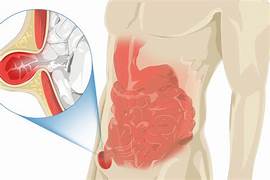
An inguinal hernia is a condition where a portion of the intestine or other abdominal tissue protrudes through a weak spot in the abdominal wall in the groin region. This can result in a visible lump or bulge, which can be painful, mainly when you cough, bend over, or lift a heavy object. Inguinal hernias are more common in males and may need surgical repair to prevent complications. If you suspect you have an inguinal hernia, it is essential to seek medical attention for the right diagnosis and Inguinal Hernia Surgery.

Overview

Types Of Inguinal Hernia
  • Indirect inguinal hernia: This type of inguinal hernia occurs when abdominal contents, such as a part of the intestine, protrude into the inguinal canal. It often follows the path of the spermatic cord in men or the round ligament in women. Indirect inguinal hernias are generally congenital, meaning they are present from birth. In some scenarios, indirect hernias can also form later in life due to factors like increased abdominal pressure from activities such as heavy lifting or straining. It is commonly seen in children and young adults. 
  • Direct inguinal hernia: This inguinal hernia type typically occurs in older men. It involves the protrusion of abdominal contents through a weak spot in the abdominal wall, usually in Hesselbach’s triangle, which is a specific area in the groin. It is typically less common than indirect inguinal hernias.
What Are The Risk Factors For Inguinal Hernia?
  • Age: The risk of inguinal hernia increases with age, as the connective tissues tend to weaken over time.
  • Gender: Males are more susceptible to inguinal hernias than females. This is specifically due to the natural structure of the male anatomy, including the inguinal canal.
  • Family history: A family history of hernias may increase your risk, suggesting a potential genetic predisposition.
  • Congenital factors: Congenital disorders, such as a weakness in the abdominal wall present from birth, can lead to the development of inguinal hernias.
  • Smoking:Smoking, if it is linked with coughing, can raise the risk of inguinal hernia formation. Smoking is also associated with decreased wound healing and, hence, increases the risk of inguinal hernia recurrence or post-op wound complication after a hernia repair.
  • Chronic cough or straining: Conditions that lead to persistent coughing or straining, such as chronic obstructive pulmonary disease (COPD) or constipation, can raise intra-abdominal pressure and risk inguinal hernias.
  • Obesity: Surplus body weight can weaken the abdominal muscles and increase the likelihood of inguinal hernias.
  • Heavy lifting: Regularly engaging in heavy lifting without proper strategy or abdominal support can strain the muscles and contribute to hernias.
  • Chronic straining during bowel movements: Straining during bowel movements, often associated with constipation, can cause inguinal hernia development.
  • Ascites: Collection of fluid in the abdominal cavity can also increase pressure and contribute to hernias.
How Can Inguinal Hernia Be Diagnosed?
  • Ultrasound: Ultrasonography is a non-invasive imaging method that can help confirm the presence of an inguinal hernia, its location, and the extent of the hernia sac.
  • CT scan: Computed tomography (CT) scans may be utilized to get detailed images of the abdominal area, which can help in an inguinal hernia diagnosis and assessing its size.
  • MRI: Magnetic resonance imaging (MRI) can provide detailed and clear images and may be used in some cases to diagnose inguinal hernias.
  • Blood tests: Blood tests may be conducted by your healthcare provider to check for signs of infection or inflammation, especially if the hernia is complicated by infection.
Which Surgery is Best for the Treatment of Inguinal Hernia?
  1. This minimally invasive approach involves smaller incisions than traditional open surgery, resulting in reduced postoperative pain and a quicker recovery time for patients. Using a laparoscope allows surgeons to visualize the hernia and surrounding tissues precisely, facilitating more accurate repairs.
  2. The risk of infection is minimized as the smaller incisions decrease exposure to external infections. Patients undergoing laparoscopic inguinal hernia repair often experience less scarring and cosmetic deformity, contributing to improved overall satisfaction. The nature of the Inguinal Hernia Laparoscopic Surgery also lowers the chances of complications such as blood loss and nerve damage.
  3. The enhanced visualization provided by laparoscopy enables surgeons to identify and repair multiple hernias simultaneously, addressing any bilateral or recurrent hernias in a single procedure.
What are the Benefits of Inguinal Hernia Laparoscopic Surgery?
  • Relief from discomfort: Inguinal hernias often cause pain, discomfort, and a visible bulge in the groin region. Surgical repair can relieve these symptoms, enhancing your overall quality of life.
  • Prevention of complications: Inguinal hernias can lead to serious complications if left untreated, such as incarceration (when the hernia cannot be pushed back into the abdomen) and strangulation (cutting off blood supply to the hernia contents), both of which are medical emergencies. Timely surgical treatment can prevent these potentially life-threatening situations.
  • Improved mobility: After inguinal hernia repair, you can return to your routine physical activities and work more comfortably, as the weakened abdominal wall is strengthened.
  • Prevention of hernia enlargement: Without treatment, inguinal hernias tend to exacerbate over time. Surgery helps prevent the inguinal hernia from becoming larger and more challenging to repair.
  • Decreased risk of recurrence: Surgical repair methods have advanced, and the use of mesh during surgery has reduced the risk of hernia recurrence. Modern inguinal hernia repair techniques offer excellent long-term success rates.
  • Enhanced quality of life: By addressing the inguinal hernia and preventing its potential complications, you can enjoy an improved overall quality of life without the limitations and discomfort associated with untreated inguinal hernias.
How To Prepare For Inguinal Hernia Laparoscopic Surgery?
  • Discuss the procedure, anesthesia options, and any questions or concerns you may have with your surgeon. Your surgeon will provide detailed guidance.
  • Your surgeon may conduct preoperative tests, such as blood work and ECG, to evaluate your overall health.
  • Inform your surgeon about all medicines, supplements, and allergies you have. They may recommend you adjust or stop certain medications before the surgery.
  • Typically, you should not eat or drink anything for several hours before your inguinal surgery. Follow your surgeon’s fasting instructions carefully.
  • Make sure you have someone to drive you to and from the hospital on the day of surgery.
  • Bring loose-fitting, comfortable clothing for after the surgery. You may also want personal items like toiletries, slippers, and reading materials.
  • Maintain a balanced diet in the days leading up to the surgery, and avoid heavy or spicy meals the night before.
  • If you smoke, it’s ideal to quit or reduce smoking before the surgery, as it can impact healing. Avoid alcohol in the days leading up to the surgery.
  • Take a shower with antibacterial soap on the evening before or on the morning of the surgery to decrease the risk of infection.
  • Plan for help with everyday tasks if needed during your recovery.
  • Discuss post-operative care, pain management, and any restrictions with your healthcare provider. You may need to take it easy and avoid certain activities during your recovery.

Management and Treatment of Inguinal Hernia:

Non-surgical management of inguinal hernia:

An inguinal hernia usually does not go away without surgery. However, non-surgical approaches, such as wearing a hernia belt or practicing lifestyle modifications, may ease the pain or discomfort. These methods can provide temporary relief, but surgery is the only definitive treatment for an inguinal hernia. Conservative or non-surgical management should be performed under a healthcare expert’s supervision because they may lead to complications like strangulation (part of the bowel is trapped in a manner that cuts off its blood supply) and bowel obstruction. Some of the non-surgical treatment options for inguinal hernia include the following:

  1. Lifestyle modifications: Lifestyle changes can help manage symptoms and prevent inguinal hernia progression. Some of the lifestyle changes to follow include:
  • Diet and weight management: Maintain a healthy weight to decrease abdominal pressure. Avoid constipation by consuming a high-fiber diet and staying hydrated.
  • Lifting and physical activity: Avoid heavy lifting and strenuous activities that can raise abdominal pressure. Focus on exercises that strengthen the core muscles. Some of the exercises that one should do include inclined leg lifts, inclined cycling exercises, pillow squeezes for strengthening the muscles, mini crunches for the abdominal wall, etc. 
  • Bowel habits: Avoid straining during bowel movements. Use a footstool to raise your knees and make the process easier.
  • Apply some ice: Some of the common symptoms of inguinal hernia, such as swelling, redness, and pain in the abdomen or groin area can be minimized by applying an ice pack. Hence, next time you have any of the above symptoms, put an ice pack directly to the affected region.
  • Proper posture: Maintain good posture to reduce strain on your abdominal muscles.
  • Take a fiber-rich diet: When you are suffering from an inguinal hernia, eat quality food in smaller quantities. Try to avoid constipation by changing your diet and including high-fiber foods like fresh vegetables, non-citrusy foods such as apples, papaya melons, nuts, and seeds such as almonds and chia seeds, yogurt, and lean proteins. Moreover, drink plenty of water and fresh juices made with carrot, aloe vera, and cabbage to lower the chances of acid reflux and heartburn.


  1. Hernia belts: Hernia belts (truss) can be highly effective in treating inguinal hernias. A hernia belt is a supportive undergarment that helps hold the hernia in place and helps relieve pain and discomfort on a temporary basis.
  2. Medications: Common medications that might be utilized to manage related symptoms include:
  • Pain relievers: Over-the-counter pain relievers such as acetaminophen or non-steroidal anti-inflammatory drugs (NSAIDs) can help alleviate discomfort.
  • Antibiotics: If the inguinal hernia becomes infected, antibiotics may be prescribed by the Surgeon to treat the infection.
  • Medications to relieve constipation: Straining during bowel movements can aggravate inguinal hernia symptoms, so stool softeners or laxatives may be advised to prevent constipation.

Inguinal Hernia Surgical Treatment:

There are two main types of inguinal hernia repairs:

  1. Open hernia repair (herniorrhaphy): In this traditional approach, a surgeon makes an incision in the groin region. The protruding hernia sac is pushed back into the abdomen, and the weakened abdominal wall tissue is fixed or reinforced using sutures or mesh. The incision is then closed with stitches.
  2. Laparoscopic hernia repair (laparoscopic inguinal hernia repair): In this minimally invasive approach, a few tiny incisions are created in the abdominal wall. A laparoscope (a thin, lighted tube with a camera) is inserted through one incision, and surgical instruments are inserted through the others. The surgeon then uses the laparoscope to view the hernia and repair it from the inside, generally using mesh. Laparoscopic surgery often results in smaller incisions, less pain, and a faster recovery compared to open surgery.

Is Inguinal Hernia Laparoscopic Surgery Covered By Insurance?

In many cases, Inguinal Hernia Laparoscopic Surgery is covered by health insurance. However, coverage can differ based on factors such as the type of insurance plan, specific policy details, and the procedure’s necessity. Here are some factors that can impact your insurance coverage:

  • Insurance type: Different types of insurance plans, such as private health insurance or government programs, may have varying coverage policies.
  • Policy details: Check the specific terms and conditions of your insurance policy. Some policies may cover all or a portion of the expenses associated with Inguinal Hernia Laparoscopic Surgery.
  • Deductibles and copayments: Check your insurance policy for details on deductibles, co-payments, and co-insurance. You may be responsible for a portion of the costs.

Recovery Tips To Follow After Inguinal Hernia Laparoscopic Surgery

Recovery time after laparoscopic inguinal hernia surgery differs, but most individuals can return to routine activities and work within 4-7 days. However, strenuous activities and heavy lifting are generally restricted for the next 2-3 weeks or as your surgeon advises. It’s crucial to follow your surgeon’s specific recovery tips for a safe and successful recovery. Here are some recovery tips to follow:

  • Rest is important in the initial days after your inguinal hernia repair surgery. Avoid heavy lifting, strenuous activities, and vigorous exercise for at least 4 to 6 weeks.
  • You may experience pain and discomfort after surgery. Take prescribed pain medications as advised by your surgeon. Over-the-counter pain relievers, like acetaminophen, may also be recommended.
  • Keep the surgical incision clean and dry. Follow your surgeon’s guidelines regarding wound care, bandage changes, and showering.
  • Start with clear liquids and slowly reintroduce solid foods as tolerated. Stay hydrated to aid in the recovery process.
  • Pain medicines and reduced physical activity can lead to constipation. Consume high-fiber foods and consider a mild stool softener if required.
  • Attend all follow-up appointments to monitor your progress.
  • After the initial healing stage, slowly reintroduce light activities and increase your daily mobility.
  • Consider wearing supportive underwear or an abdominal binder to reduce strain on the surgical site.
  • Watch for signs of infection (redness, swelling, fever), hernia recurrence, or other unusual symptoms, and contact your healthcare provider if any problems arise.

What Are The Risks & Complications Associated With Inguinal Hernia Laparoscopic Surgery?

While Inguinal Hernia Laparoscopic Surgery is generally considered safe and effective, like any medical procedure, it carries potential risks and complications. The complications related to laparoscopic inguinal hernia can be divided into operative and postoperative complications. Some of them are:

  • Infection: Infections at the surgical location can occur after an inguinal hernia laparoscopic operation, though they are usually treatable with antibiotics.
  • Bleeding: Some bleeding is normal during and after inguinal hernia repair, but excessive bleeding may need additional intervention.
  • Swelling and bruising: Swelling and bruising around the surgical site are common but generally subside with time.
  • Recurrence: Despite successful surgery, inguinal hernias can sometimes reoccur. This risk is typically low, specifically with modern surgical techniques.
  • Chronic pain: In some cases, people may experience persistent pain after surgery, known as chronic post-herniorrhaphy pain.
  • Nerve damage: There is a small risk of nerve damage during inguinal hernia repair surgery, which can lead to numbness or tingling in the surrounding region.
  • Mesh-related issues: If mesh is used in the repair, there is a rare chance of complications such as infection, migration, or a reaction to the mesh material.
  • Anesthesia risks: Risks associated with anesthesia, such as allergic reactions or respiratory problems, exist but are generally rare.
  • Injury to internal organs: Although very rare, injury to the intestine, kidneys, bladder, nerves, and blood vessels leading to the legs, and vas deferens-the tube that carries sperm-can occur during Inguinal Hernia Laparoscopic Surgery.

It’s crucial to discuss these potential risks and complications with your surgeon before the procedure. Many complications can be minimized with a proper surgical approach, preoperative evaluation, and postoperative care. If you experience intense pain, persistent swelling, fever, or other concerning symptoms after Inguinal Hernia Laparoscopic Surgery, it’s essential to contact your healthcare provider promptly.

What Is The Inguinal Hernia Operation Cost In India?

  1. Inguinal hernia operation cost in India ranges from Rs. 70,000 to Rs. 1,10,000.
  2. The cost of open hernia surgery may range from Rs. 80,000 to Rs 1,00,000.
  3. The cost of laparoscopic hernia repair is slightly higher than open repair and may cost around Rs. 90,000 to Rs 1,10,000.

However, various factors can influence the cost of operation. Some factors that affect the inguinal hernia operation cost in India include the following:

  • Hospital type and location: The choice of hospital significantly impacts the cost of inguinal hernia operation in India. High-end private hospitals in metropolitan regions may have higher fees compared to smaller clinics or hospitals in less urban areas.
  • Surgeon’s fee: The experience and reputation of the surgeon performing the procedure can affect the overall inguinal hernia treatment cost in India. Experienced and well-known surgeons may charge higher prices for the procedure.
  • Type of surgery: The surgical method used (open or laparoscopic) can also influence the cost of inguinal hernia treatment in India. Laparoscopic surgeries may be more expensive due to the use of specialized equipment.
  • Choice of anesthesia: The type of anesthesia administered during the surgery can impact the inguinal hernia treatment cost. General anesthesia is generally more expensive than local or regional anesthesia.
  • Hospital stay: The duration of hospital stay following the inguinal hernia operation can affect the overall cost. Laparoscopic procedures often require a shorter hospital stay than open surgeries.
  • Diagnostic tests and preoperative screening: Costs associated with preoperative tests, such as blood work and imaging, may contribute to the overall expense.