
No.A4, Chandrasekaran Avenue, 1st Main Road, Thoraipakkam, Chennai 600097 Mon-Sun 09am - 5pm
4.5 golden star
Ratings
3 Million+
Happy Patients
200+
Hospitals
30+
Cities
USFDA-Approved Procedure

Free Pickup

Support in Insurance Claim

No-Cost EMI

No-Cost EMI

Support in Insurance Claim

1-day Hospitalization

1-day Hospitalization

Best Doctors for Piles Treatment in Chennai

doctor-image
Dr. M. Senthil Kumar

MBBS, MS - General Surgery

medikit icon 21 Years Experience

  4.9/5   Available

  No 16 & 50, Block Z, River View Colony, Chennai

Proctology Urology Vascular
Dr. M. Senthil Kumar is an expert and experienced General Surgeon, Proctologist, and Laparoscopic Surgeon with an experience of 18 years, and specialzies in Urology, Proctology, Laparoscopy, and Vascular. He graduated and obtained his MBBS degree from PSGIMR Coimbatore in 2004, and then his postgraduate MS degree from PSGIMR Coimbatore in 2014.Currently, he is practicing at Pristyn Care Clinic in Chennai. He is fluent in English,Hindi and provides compassionate care for all his patients to ensure complete recovery. He has been commended by his patients for his caring nature, hard working attitude, and willingness to be there for them - any time of day and night.He provides treatment for the following - Piles, Fissure, Fistula, Abscess,Pilonidal Sinus, Anal Polyps, Anal Warts, Rectal Prolapse, Toenail, Vascular, Varicose Veins,Thrombosis, Dvt, Diabetic Foot Ulcer, Foot Ulcer, Varicocele, Umbilical Hernia, Inguinal Hernia, Incisional Hernia, Hiatus, Gallstones, Stent Removal, Cyst Removal, Hydrocele, Urethral Stricture, Erectile Dysfunction, Urinary Tract Infection, Urinary Incontinence, Balnitis, Phimosis, Paraphimosis. He is registered in the Indian Medical Registry with the license number 74123. He strives to provide advanced medical care in a comfortable and holistic environment for all patients coming to him for treatment.
Read more

ARUL RADHAKRISHNAN

“best experience at pristyn care ”

calender icon   Date: 06-11-24

Ebenezer P

“good”

calender icon   Date: 24-10-24

doctor-image
Dr. Prabhakar Padmanabhan

MBBS, MS - General Surgery

medikit icon 15 Years Experience

  5.0/5

Proctology Urology Laparoscopy
Dr. Prabhakar Padmanabhan is an expert and experienced General Surgeon with over 14 years of experience. He completed his MBBS from Kursk State Medical University, Russia, in 2010, followed by an MS in General Surgery from Meenakshi University, Kanchipuram, in 2015. He further enhanced his expertise by obtaining a Fellowship in Minimal Access Surgery (FMAS) from the World Laparoscopic Hospital, Delhi, in 2016, and a Fellowship in Gastrointestinal Endo Surgery (FIAGES) in 2019. He is registered with the Tamil Nadu Medical Council. Throughout his career, Dr. Padmanabhan has held several significant positions. He served as an Assistant Professor at Meenakshi Medical College, Kanchipuram, from 2015 to 2016, where he delivered lectures and practical training in general surgery to medical students and assisted in surgical operations, focusing on skill development and the application of minimal access surgery. Since 2016, he has been a Senior Assistant Professor in the Department of General Surgery at Rajiv Gandhi Government General Hospital, Chennai. In this role, he leads and teaches advanced surgical techniques and methodologies to medical students and residents, conducts and supervises complex surgical procedures with a focus on laparoscopic and minimally invasive techniques, and contributes to departmental research and clinical trials to advance surgical practices and patient care. Dr. Padmanabhan is proficient in a wide range of surgical procedures, including advanced laparoscopic surgery, minimal access surgery, gastrointestinal endo surgery, and laser proctology. He has been recognized for his contributions to surgical education and training, as well as his involvement in clinical research and trials. Known for his dedication to patient care, Dr. Padmanabhan strives to provide advanced medical services in a compassionate and holistic environment.
Read more

wilson

“Good prolite patience Over 👍👍”

calender icon   Date: 24-03-25

doctor-image
Dr. M. Senthil Kumar

MBBS, MS - General Surgery

medikit icon 21 Years Experience

  4.9/5

Proctology Urology Vascular
Dr. M. Senthil Kumar is an expert and experienced General Surgeon, Proctologist, and Laparoscopic Surgeon with an experience of 18 years, and specialzies in Urology, Proctology, Laparoscopy, and Vascular. He graduated and obtained his MBBS degree from PSGIMR Coimbatore in 2004, and then his postgraduate MS degree from PSGIMR Coimbatore in 2014.Currently, he is practicing at Pristyn Care Clinic in Chennai. He is fluent in English,Hindi and provides compassionate care for all his patients to ensure complete recovery. He has been commended by his patients for his caring nature, hard working attitude, and willingness to be there for them - any time of day and night.He provides treatment for the following - Piles, Fissure, Fistula, Abscess,Pilonidal Sinus, Anal Polyps, Anal Warts, Rectal Prolapse, Toenail, Vascular, Varicose Veins,Thrombosis, Dvt, Diabetic Foot Ulcer, Foot Ulcer, Varicocele, Umbilical Hernia, Inguinal Hernia, Incisional Hernia, Hiatus, Gallstones, Stent Removal, Cyst Removal, Hydrocele, Urethral Stricture, Erectile Dysfunction, Urinary Tract Infection, Urinary Incontinence, Balnitis, Phimosis, Paraphimosis. He is registered in the Indian Medical Registry with the license number 74123. He strives to provide advanced medical care in a comfortable and holistic environment for all patients coming to him for treatment.
Read more

ARUL RADHAKRISHNAN

“best experience at pristyn care ”

calender icon   Date: 06-11-24

Ebenezer P

“good”

calender icon   Date: 24-10-24

doctor-image
Dr. Prabhakar Padmanabhan

MBBS, MS - General Surgery

medikit icon 15 Years Experience

  5.0/5

Proctology Urology Laparoscopy
Dr. Prabhakar Padmanabhan is an expert and experienced General Surgeon with over 14 years of experience. He completed his MBBS from Kursk State Medical University, Russia, in 2010, followed by an MS in General Surgery from Meenakshi University, Kanchipuram, in 2015. He further enhanced his expertise by obtaining a Fellowship in Minimal Access Surgery (FMAS) from the World Laparoscopic Hospital, Delhi, in 2016, and a Fellowship in Gastrointestinal Endo Surgery (FIAGES) in 2019. He is registered with the Tamil Nadu Medical Council. Throughout his career, Dr. Padmanabhan has held several significant positions. He served as an Assistant Professor at Meenakshi Medical College, Kanchipuram, from 2015 to 2016, where he delivered lectures and practical training in general surgery to medical students and assisted in surgical operations, focusing on skill development and the application of minimal access surgery. Since 2016, he has been a Senior Assistant Professor in the Department of General Surgery at Rajiv Gandhi Government General Hospital, Chennai. In this role, he leads and teaches advanced surgical techniques and methodologies to medical students and residents, conducts and supervises complex surgical procedures with a focus on laparoscopic and minimally invasive techniques, and contributes to departmental research and clinical trials to advance surgical practices and patient care. Dr. Padmanabhan is proficient in a wide range of surgical procedures, including advanced laparoscopic surgery, minimal access surgery, gastrointestinal endo surgery, and laser proctology. He has been recognized for his contributions to surgical education and training, as well as his involvement in clinical research and trials. Known for his dedication to patient care, Dr. Padmanabhan strives to provide advanced medical services in a compassionate and holistic environment.
Read more

wilson

“Good prolite patience Over 👍👍”

calender icon   Date: 24-03-25

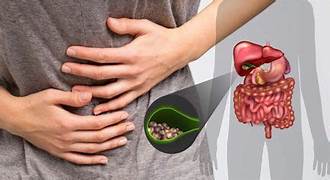
Gallstones can vary in size, from tiny sand-like particles to larger stones resembling pebbles. They can be composed of cholesterol, bilirubin (a waste product from the breakdown of red blood cells), or a combination of both.

Gallstones may not cause symptoms in some people and can remain asymptomatic for long. However, they can cause various health issues if they obstruct the bile ducts, which are tubes that carry bile from the gallbladder to the small intestine. When a gallstone blocks the bile ducts, it can cause severe abdominal pain, known as a gallbladder attack.

Overview

What Are The Types Of Gallbladder Stones?
  1. Cholesterol Stones: Cholesterol stones are the most common type of gallbladder stones. It accounts for approximately 80 to 85% of cases. These stones primarily comprise cholesterol, a fatty substance found in the bile. These stones can vary in size and color, ranging from yellow to green. Cholesterol stones develop when there is an imbalance in the components of bile, resulting in excess cholesterol and a reduction in bile salts and lecithin (a type of fat). 
  2. Pigment Stones: Pigment stones are primarily formed of bilirubin, a pigment that is a waste product from the breakdown of red blood cells. It is also made up of calcium salts that are found in bile. These stones are generally smaller and darker in color, unlike cholesterol stones. Pigment stones can form when there is excessive bilirubin in the bile or when the bile contains fewer bile salts to keep the bilirubin in a soluble form.
How Can Gallbladder Stone Be Diagnosed?
  • Abdominal Ultrasound: Abdominal ultrasound is the most commonly performed imaging test to diagnose gallstones. It involves moving a device (transducer) back and forth across the stomach region. The transducer transmits signals to a computer, which produces images that show the structures in your abdomen.
  • Endoscopic ultrasound (EUS): This procedure can help pinpoint smaller gallbladder stones that may be missed on an abdominal ultrasound. During an endoscopic ultrasound, your doctor passes a thin tube (endoscope) through the mouth and digestive tract. A small ultrasound device (transducer) in the tube creates sound waves that form a precise image of surrounding tissue.
  • CT Scan (Computed Tomography): A CT scan may be used to provide more clear and precise images of the gallbladder and surrounding organs. It is particularly useful if there are concerns about complications from gallbladder stones or if ultrasound results are inconclusive.
  • Endoscopic Retrograde Cholangiopancreatography (ERCP): ERCP is a procedure used to diagnose and treat conditions of the bile and pancreatic ducts. During ERCP, an endoscope is passed through the mouth, esophagus, stomach, and into the duodenum to examine the ducts. Dye is then injected into the ducts, and X-ray images are taken to identify gallstones that may have reached the bile ducts.
  • MRCP: Magnetic resonance cholangiopancreatography (MRCP) is a kind of MRI that precisely visualizes the bile ducts. It is non-invasive in nature and produces clear images of the biliary system, including the common bile duct. 
  • Cholescintigraphy (HIDA Scan): This nuclear medicine test assesses the function of the gallbladder and biliary system. In this test, a radioactive tracer is injected into the bloodstream, and its uptake and excretion by the liver and gallbladder are observed using a special camera.
  • Cholescintigraphy: Cholescintigraphy utilizes radioactive material to create pictures of the biliary tract. The radioactive material is injected into a vein in the arm. A special camera then takes pictures of the radioactive material as it travels through the biliary tract to diagnose abnormal contractions of your gallbladder or a blockage in the bile ducts.
  • Blood tests: Blood tests may reveal infection, jaundice, pancreatitis, or other complications caused by gallbladder stones.
What Are The Various Gallbladder Stones Treatment Options?
  • Laparoscopic Cholecystectomy (keyhole surgery): It is the most common and best treatment for gallbladder stone. During a laparoscopic cholecystectomy, numerous small incisions (cuts) are made in the abdomen. A laparoscope (a thin, flexible tube with a camera) and surgical instruments are inserted through these incisions. Your abdomen is then inflated with carbon dioxide gas to allow room for the surgeon to work with surgical tools. The laparoscope is used to visualize the gallbladder and nearby structures on a monitor. The gallbladder is detached from its attachments and the bile duct and blood vessels. 

Once the gallbladder is separated, it is pulled out through one of the small incisions. The remaining incisions are closed, and the surgery is complete. Laparoscopic cholecystectomy is minimally invasive, resulting in minor pain, faster recovery, and smaller scars than open surgery.

  • Open Cholecystectomy: In some instances, laparoscopic cholecystectomy may not be appropriate, and open surgery may be performed. During an open cholecystectomy, a larger incision is made in the abdomen, and the gallbladder is directly accessed and removed. Open cholecystectomy is used in circumstances where there are complications, extensive scarring from previous surgeries, or certain medical conditions that make gallstone laparoscopic surgery challenging.
What Are The Benefits Of Laparoscopic Surgery For Gallbladder Stones?
  • Minimally Invasive: Laparoscopic cholecystectomy is a minimally invasive surgical procedure. It results in more minor scars and less trauma to the surrounding tissues compared to the larger incision needed in open surgery.
  • Less Pain: Due to the smaller incisions and reduced tissue trauma, patients go through less postoperative pain and discomfort than open surgery. This can lead to faster recovery and shorter hospital stays.
  • Faster Recovery: Laparoscopic cholecystectomy allows for faster recovery times. Patients can often resume everyday activities and return to work within a few days to a week after the operation.
  • Lower Risk of Complications: Laparoscopic surgery has been linked with a lower risk of complications, such as wound infections and incisional hernias.
  • Cosmetic Benefits: The smaller incisions used in laparoscopic cholecystectomy result in smaller and less apparent scars, which can be cosmetically appealing to patients.
  • Effective Stone Removal: Laparoscopic cholecystectomy is highly effective in removing gallstones, providing long-term relief from gallstone-related symptoms.
  • Accurate Visualization: Laparoscopic procedures provide surgeons with high-definition visualization of the surgical area through a laparoscope. This enhances the surgeon’s precision and ability to perform the surgery effectively.
  • Reduced Bowel Disturbance: Laparoscopic cholecystectomy preserves the bile duct and surrounding structures. Therefore, there is a lower risk of postoperative bowel disturbances, such as diarrhea or fat malabsorption.

Gallstone Size Indication for Surgery

When deciding if surgery is necessary, the size of the gallstones can be a crucial factor in knowing which size of gallbladder stone is dangerous. Gallstone size is typically measured in millimeters (mm) and can vary from 2 mm to as large as a few centimeters. Small gallstones, measuring less than 2 mm, rarely cause symptoms and are typically observed without treatment. However, the risk of developing complications increases if the gallstone size exceeds 2 mm. 

Gallstones that measure between 3 and 5 mm can cause mild to moderate symptoms, such as abdominal pain and indigestion. These symptoms can be treated with medication and dietary changes, but surgery may be required if they become more severe.

Gallstones that measure between 5mm and 10 mm are considered the intermediate size and can cause moderate to severe symptoms. Treatment with medication and dietary modifications is generally ineffective, so surgery is often suggested by healthcare professionals. In addition, a greater risk of developing complications such as cholecystitis is more likely with this gallstone size.

Gallstones larger than 10 mm pose a significant risk for developing complications, and surgery is most often recommended. These gallstones can cause obstructions in the gallbladder or digestive tract, leading to complications such as pancreatitis. Therefore, if the gallstone size is greater than 10 mm, it is essential to seek medical care immediately to evaluate the risk for these serious complications.

How To Prepare For Gallbladder Stone Surgery?

Preparing for gallbladder stone operation involves several important steps to ensure a safe and effective procedure. Here are some ways to help you prepare for your surgery:

  • Consultation with your healthcare provider: Schedule an initial consultation with your healthcare provider, who will perform the procedure. During this visit, discuss your medical history, any pre-existing conditions, medications you are taking, and any allergies you may have. 
  • Preoperative Tests: Your surgeon may conduct certain preoperative tests, such as blood tests and possibly an abdominal ultrasound or other imaging studies, to evaluate your overall health and the extent of gallstone disease.
  • Fasting: Your surgeon may ask you to fast for a certain duration before the surgery. This includes not eating or drinking anything (including water) for a specific period, usually starting at midnight before the surgery. Fasting helps lower the risk of aspiration during anesthesia.
  • Smoking and Alcohol: If you are a smoker, quit or reduce smoking before the surgery. It is because smoking can interfere with the healing process. Avoid alcohol for a few days before the surgery, as it can interact with anesthesia and medications.
  • Hygiene: On the day of the surgery, take a shower and clean your body, including your abdomen, using a mild unscented soap. Avoid using lotions, oils, or other products after the shower.
  • Clothing: Wear comfortable, loose-fitting clothing to the hospital on the day of your surgery. This will help you feel calmer and more comfortable before and after the procedure.
  • Personal Items: Bring only necessary personal items with you to the hospital. This may include your identification, insurance cards, and any essential medical documents.
  • Arrangements for Transportation and Support: Arrange for someone to drive you to the hospital and accompany you home after the surgery, as you may not be fit to drive instantly after the procedure.
  • Follow Preoperative Instructions: Your surgeon will provide preoperative instructions to follow after surgery. Follow these instructions carefully to ensure a smooth and successful procedure.
  • Stay Informed: Ask any questions you may have during your preoperative consultation. Being well-informed about the procedure and what to expect can help prepare you mentally for the surgery.

Remember to follow your surgeon’s instructions closely to ensure a successful gallbladder stone operation and a smooth recovery. 

What Are The Recovery Tips To Follow After Gallbladder Stone Surgery?

After a gallbladder stone operation, following suitable recovery tips is essential to ensure a smooth healing process and reduce the risk of complications. Here are some recovery tips to follow after a gallbladder stone operation:

  • Follow Doctor’s Instructions: Stick to the postoperative instructions provided by your surgeon. These may include instructions on wound care, medications, diet, physical activity, etc.
  • Rest and Limit Physical Activity: Allow yourself adequate time to rest and recover after surgery. Avoid strenuous activities and vigorous exercise for a few weeks, as this could strain the healing incisions.
  • Incision Care: Keep the incision area clean and dry. Follow your surgeon’s guidelines for dressing changes, and watch for signs of infection, such as increased redness, swelling, or pus.
  • Pain Management: Take prescribed pain medications as directed by your healthcare provider. Over-the-counter pain relievers like acetaminophen may also be used if your doctor advises.
  • Dietary Changes: After surgery, you may be suggested to stick to a light diet. Gradually, you can introduce regular foods to your diet as tolerated. However, it is important to avoid heavy or fatty meals that may trigger discomfort or digestive problems.
  • Hydration: Stay well-hydrated by consuming plenty of water throughout the day. Proper hydration encourages healing and helps prevent constipation, a common side effect after surgery.
  • Avoid Smoking and Alcohol: Refrain from smoking and drinking alcohol during recovery, as these can hinder the healing process.
  • Walk and Move: Gentle walking can assist in improving circulation and reducing the risk of blood clots. Therefore, follow your doctor’s advice on slowly increasing physical activity.
  • Monitor Symptoms: Always keep an eye on your recovery progress. Contact your surgeon promptly if you experience persistent or worsening symptoms, such as intense pain, fever, chills, or unusual discharge from the incision areas.
  • Postoperative Follow-up: Attend all scheduled follow-up appointments with your surgeon. These visits allow your doctor to monitor your healing progress and address any concerns.

What Are The Risk & Complications Associated With Gallbladder Stone Surgery?

Gallstone operation is a generally safe procedure. However, like any surgical procedure, it carries certain risks and potential complications. It’s crucial to be aware of these risks and discuss them with your gallbladder stone specialist before surgery. Some of the risks and complications associated with gallbladder stone surgery include the following:

  • Infection: There is a slight risk of developing an infection at the incision areas or within the abdominal cavity. This risk is relatively low, and antibiotics are generally administered before and after surgery to reduce the likelihood of infection.
  • Bleeding: Bleeding may occur during or after surgery. Although rare, extreme bleeding may need further intervention.
  • Bile Duct Injury: During the surgery, there is a risk of damaging the bile duct, which can lead to bile leakage or obstruction. This complication may need additional procedures to repair the bile duct.
  • Bile Leak: In some possibilities, a small bile leak may occur from the ducts or the gallbladder bed. Most bile leaks resolve on their own, but some may need further treatment.
  • Adverse Reaction to Anesthesia: While uncommon, some people may experience adverse reactions to anesthesia, which can include respiratory issues, severe allergic reactions, or other complications.
  • Blood Clots: After surgery, there is a small risk of developing blood clots in the legs (deep vein thrombosis) or lungs (pulmonary embolism). To reduce this risk, patients are encouraged to walk and move around after surgery.
  • Organ Damage: There is a slight risk of damage to nearby organs, like the intestines, liver, or pancreas, during the surgical procedure.
  • Cardiovascular Complications: In people with pre-existing heart diseases, gallbladder surgery may pose a small risk of cardiovascular complications.
  • Postoperative Pain: After the surgery, some people may experience mild to moderate pain or discomfort, which is usually manageable with pain medications.
  • Incisional Hernia: There is a risk of developing an incisional hernia at one of the incision sites. This happens when the abdominal muscles weaken and tissues protrude through the incision site.
  • Delayed Healing: Some people may experience delayed wound healing at the incision sites, leading to infections or prolonged recovery.
  • Digestive Changes: After gallbladder surgery, some individuals may experience changes in bowel movements or temporary digestive issues. 

What Are The Lifestyle Changes Required After Gallbladder Stone Surgery?

Here are some lifestyle adjustments that may be advised after the surgery:

  • Fiber-Rich Foods: Include fiber-rich foods in your diet, such as fruits, vegetables, whole grains, and legumes. Fiber helps encourage regular bowel movements and can help avert constipation.
  • Limit Caffeine: Some people may be sensitive to caffeine after surgery. Therefore, limit or avoid caffeine if it causes discomfort or digestive problems.
  • Avoid Trigger Foods: Identify specific foods that may trigger digestive discomfort and consider avoiding them.
  • Maintain a Healthy Weight: If you are overweight, strive to achieve and maintain a healthy weight through a balanced diet and regular exercise. Weight management can help lower the risk of gallstone recurrence.
  • Manage Stress: Stress can impact digestion and overall well-being. Therefore, practice stress-reducing practices such as meditation, deep breathing, and yoga. 
  • Probiotics: Some people find that taking probiotic supplements or consuming probiotic-rich foods helps enhance digestion and gut health after gallbladder surgery. Therefore, include supplements and foods like yogurt, kimchi, kefir, and fermented cheeses in your diet.
  • Avoid Tight Clothing: Avoid wearing tight-fitting clothing, particularly around the abdomen, to prevent unnecessary pressure on the healing incision sites.
  • Maintain Good Posture: Practice good posture to support proper digestion and reduce pressure on the abdominal muscles.
  • Monitor Bowel Movements: Pay attention to your bowel movements and inform your doctor if you experience persistent diarrhea, constipation, or any unusual changes.
  • Sleep Well: Get enough sleep each night to support the healing process and overall health.

What Is the gallbladder stone surgery cost In India?

Gallbladder stone operation cost in India ranges from Rs. 55000 to Rs. 93500. However, various factors can impact the gallbladder stone surgery cost. Some factors that affect the gallbladder stone surgery cost in India include the following:

  • Type of Surgery: The surgery cost can differ based on whether it is an open or laparoscopic cholecystectomy. Laparoscopic surgery is typically less invasive and may have lower costs compared to open surgery.
  • Hospital or Clinic: The choice of hospital or clinic can significantly influence the cost of surgery. Well-established and reputable hospitals with advanced facilities may have higher charges than smaller or less recognized healthcare facilities.
  • Surgeon’s Experience: The experience of the surgeon performing the procedure can impact the surgery cost. Highly trained and renowned surgeons may charge higher fees for their services.
  • Medical Condition: The complexity of the patient’s medical condition and any additional health problems or complications can affect the cost. Complicated cases may need more extensive procedures and postoperative care.
  • Location: The cost of medical services can differ based on the city or region in India. Metropolitan cities with a higher cost of living may have higher healthcare costs.
  • Hospitalization Duration: The duration of hospital stay may affect the overall cost. 
  • Choice of Room Category: The type of room selected for a hospital stay can also affect the gallbladder stone surgery cost. Private rooms or deluxe suits typically have higher charges compared to general wards.
  • Health Insurance Coverage: If you have health insurance, the cost of surgery may be partially covered depending on your insurance plan’s coverage and benefits. 


What Happens If Gallbladder Stones Are Left Untreated?

If gallbladder stones are left untreated, they can lead to various complications and severe health problems. However, the result of untreated gallstones can vary depending on factors such as the type and size of stones, the severity of symptoms, and individual health conditions. Here are some potential consequences of leaving gallstones untreated:

  • Gallbladder Inflammation (Cholecystitis): Gallbladder stones can stop the normal flow of bile in the gallbladder, leading to inflammation of the gallbladder walls. This condition, also known as cholecystitis, can lead to intense abdominal pain, fever, nausea, and vomiting. If left untreated, cholecystitis can progress to a more severe form with the risk of gallbladder rupture or infection. Also, if the inflammation spreads to the blood and then to the entire body, it can cause septicemia (a serious medical condition characterized by a severe systemic infection that spreads throughout the body). Septicemia should be treated immediately.
  • Gallbladder Abscess or Empyema: Severe gallbladder inflammation can lead to an abscess or an accumulation of pus within the gallbladder, known as empyema. This is a potentially life-threatening complication that needs immediate medical attention.
  • Gallbladder Perforation: Chronic inflammation or untreated cholecystitis can strain the gallbladder walls, leading to perforation or a hole in the gallbladder. Gallbladder perforation is a medical emergency that should be treated immediately.
  • Bile Duct Obstruction (Choledocholithiasis): Gallstones can migrate from the gallbladder and get stuck in the bile ducts, blocking the normal flow of bile. This condition, known as choledocholithiasis, can cause jaundice, pain, and inflammation in the bile ducts and liver.
  • Pancreatitis: The pancreatic duct is a tube that passes from the pancreas and connects to the common bile duct just before entering the duodenum. A gallbladder stone can cause pancreatic duct blockage, leading to pancreatic inflammation (pancreatitis). Pancreatitis causes severe and constant abdominal pain that usually needs hospitalization and can be life-threatening.
  • Gallstone Ileus: A large gallstone can erode through the gallbladder wall and enter the intestines, resulting in a blockage known as gallstone ileus. 
  • Gallbladder Cancer: Although rare, untreated gallbladder stones can be associated with an increased risk of developing gallbladder cancer in the long term.