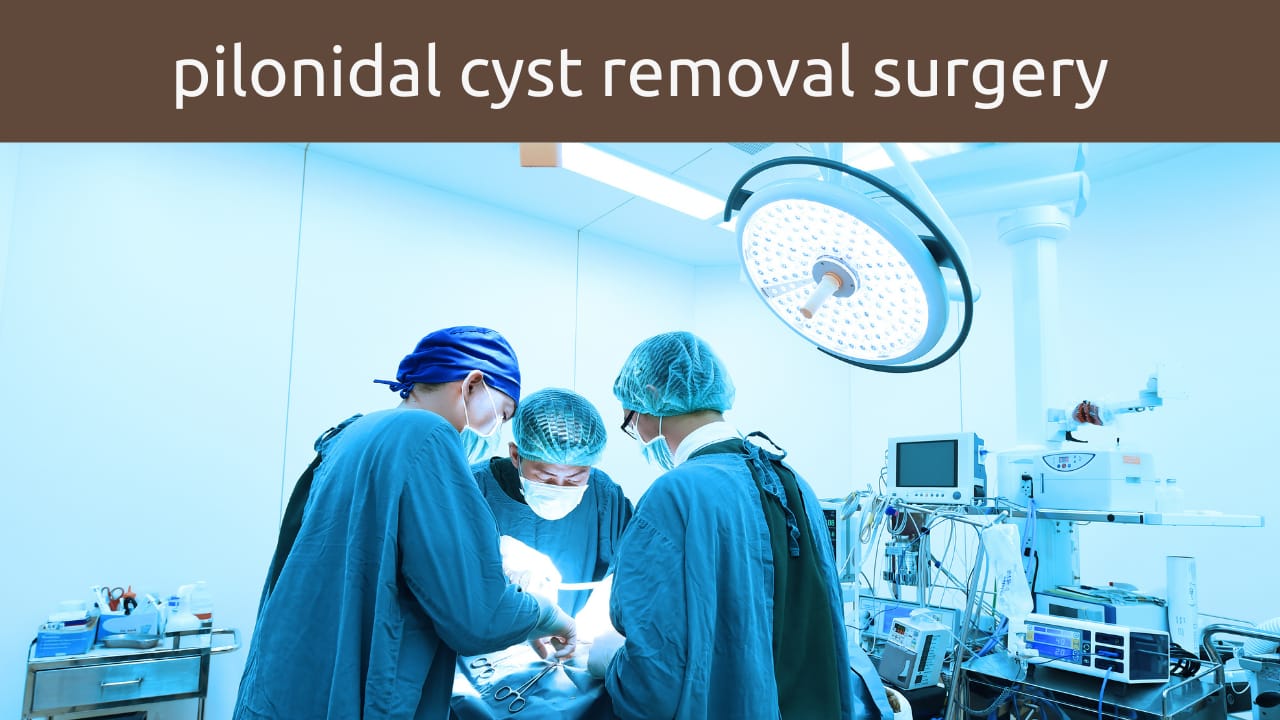

Pilonidal sinus is a medical condition that occurs due to the formation of a cyst or abscess in the cleft of the buttocks. The condition is more common in men than women and usually affects people who sit for longer periods. Book an appointment with the best piles surgeons in Chennai.


Free Pickup

No-Cost EMI

Support in Insurance Claim

1-day Hospitalization


ARUL RADHAKRISHNAN
“best experience at pristyn care ”
 Date: 06-11-24
Ebenezer P
“good”
Date: 24-10-24

wilson
“Good prolite patience Over 👍👍”
Date: 24-03-25
ARUL RADHAKRISHNAN
“best experience at pristyn care ”
Date: 06-11-24
Ebenezer P
“good”
Date: 24-10-24
wilson
“Good prolite patience Over 👍👍”
Date: 24-03-25
What is Pilonidal Sinus?
Pilonidal sinus is a medical condition that occurs due to the formation of a cyst or abscess in the cleft of the buttocks. The condition is more common in men than women and usually affects people who sit for longer periods.
There are two types of pilonidal sinus – acute pilonidal sinus and chronic pilonidal sinus.
Acute pilonidal sinus is a one-time problem, and it doesn’t recur once treated. The most common symptom is pain and tenderness in the area around the natal cleft. The affected area may also be red and swollen. Acute pilonidal sinus is usually caused by an infection, which can be bacterial or fungal in nature.
Chronic pilonidal sinus is a long-term condition that becomes severe over a period of time. The symptoms of chronic pilonidal sinus are similar to those of acute pilonidal sinus, but they may be more severe. In chronic cases, the affected area may develop a small pit or sinus that drains pus. The condition may also cause recurrent infections, which can lead to the formation of abscesses.
Pilonidal sinus can be treated with medications and home remedies in initial stage. Surgical treatment for severe cases of pilonidal sinus is necessary to remove the sinus tract and prevent the recurrence of the condition.
Usually, major health insurance companies cover pilonidal sinus surgery cost in India, but it is better to ask your insurance provider about your policy coverage. If you have insurance and choose Pristyn Care for pilonidal sinus surgery, then our dedicated insurance team can help you in claiming your insurance on your behalf and let you free to be prepared for the procedure.
Metronidazole ointment is a medication used to treat pilonidal sinus. It contains ingredients such as methylparaben, propylene glycol, and propylparaben and sodium hydroxide that fight bacteria.
The ointment is applied topically to the affected area and is known for its anti-inflammatory properties. It is often prescribed alongside oral antibiotics for maximum effectiveness.
Clindamycin ointment is a medication commonly used to treat bacterial infections. Its active ingredient is clindamycin, which belongs to the class of antibiotics known as lincosamides.
This ointment is effective in relieving pilonidal sinus. It is important to follow the instructions provided by your doctor or pharmacist when using this medication to ensure the best possible outcome.
Metronidazole is a medicine that has been used as an antibiotic for decades. It effectively stops the growth of bacteria and protozoa in the cyst.
Erythromycin
It is the most common antiobiotic that doctors prescribe for treating pilonidal sinus. It is also popular for treating various infections.
Clindamycin
Clindamycin is another effective antibiotic to cure the problem of pilonidal sinus. It stops the growth of harmful microbes and prevents them from multiplying. It is effective against a number of infections that are bacterial in nature.
Cefixime
Cefixime is yet another broad-spectrum antibiotic that is popular in use for curing pilonidal sinus. It prevents the harmful bacteria in the cyst from forming cell walls.
Antibiotics
One common non-surgical treatment option is the use of antibiotics. Antibiotics can be prescribed to help fight infection and reduce inflammation.
Pilonidal sinus can be diagnosed by an experienced proctologist. During the consultation, the doctor may ask you about your medical condition, medical history etc. The most commonly performed tests for the diagnosis of pilonidal sinus include:
To diagnose pilonidal sinus, your doctor will first physically examine the affected area. They will look for signs of inflammation, such as redness, swelling, or tenderness. They may also look for signs of infection, such as the presence of pus or drainage.
Your doctor may recommend imaging tests, such as an ultrasound or MRI, to get a better understanding of the severity of the condition or the chances of any other complications.
If your doctor suspects that you have pilonidal sinus, they may also perform a biopsy. During a biopsy, your doctor will take a small sample of tissue from the affected area and send it to a lab for analysis. This can help confirm the diagnosis and find out other possible conditions.
If you have a pilonidal sinus, it is essential to follow a healthy diet to promote healing and prevent complications. Here are some foods you should include in your diet:
Here’s a list of foods that you should avoid if you have a pilonidal sinus.
Surgery is often recommended for pilonidal sinus because it is a condition that tends to recur. The main goal of surgery is to remove the affected tissue and prevent the formation of new pilonidal sinuses.
Several surgical techniques can be used to treat pilonidal sinus, including;
During lancing, your doctor will make a small incision in the affected area to drain the abscess and relieve pain and discomfort. This can be done in a doctor’s clinic or outpatient setting and is typically followed by wound care and antibiotics. Lancing is often effective in treating pilonidal sinus and may be recommended when other treatments have failed.
There are two common types of open surgery- incision-drainage and pilonidal cystectomy.
Based on the size of the cyst removed, the doctor may or may not pack the area with surgical gauze. In cases where the infection is severe, the doctor places a tube to drain the fluid from the cyst. The tube is only removed when the entire fluid has been collected from the cyst to reduce the chances of recurrence.
Laser pilonidal sinus treatment is a minimally invasive technique that has been proven effective in treating pilonidal sinus. The procedure involves the use of laser energy to destroy the sinus tracts with a few incisions.
This results in faster healing time and reduced risk of complications. Patients can expect to return to normal activities within a few days. Laser treatment is a viable option for those seeking a less invasive approach to pilonidal sinus treatment.
After surgery, patients typically need to keep the area clean and dry to prevent pilonidal sinus infection and promote healing. Pain medication may also be prescribed to manage discomfort. With proper care, most patients can expect to make a full recovery within a few weeks.
Pilonidal sinus laser surgery offers various benefits, including;
Preparing for Pilonidal Sinus Surgery is an important step toward a successful surgery. There are a few things a patient can do to prepare for the pilonidal sinus surgery. Some standard guidelines to prepare are as follows:
By following these suggestions, you can ensure that you are well-prepared for your pilonidal sinus surgery and set yourself up for a smooth and successful recovery.
Self-care at home is essential after undergoing pilonidal sinus laser surgery to make the procedure successful. Here are some recovery tips after pilonidal sinus surgery.
After undergoing pilonidal sinus surgery, it is important to make some lifestyle changes to make the treatment successful. Here are some common lifestyle changes you should follow after pilonidal sinus surgery;
By following these lifestyle changes, you can ensure a speedy recovery after pilonidal sinus treatment through surgery. Always remember to follow your doctor’s instructions and to contact them if you experience any complications or concerns.
While pilonidal sinus laser surgery is generally safe, there are some risks and complications associated with the procedure. The most common risks and complications associated with pilonidal sinus surgery are:
Overall, pilonidal sinus surgery is generally safe, but there are some risks and complications associated with the procedure. Patients should be aware of these risks before undergoing surgery and should discuss any concerns with their doctor.
The cost of pilonidal sinus laser surgery ranges between INR 45000 to INR 80500 and open surgery for pilonidal sinus surgery cost between INR 35,000 to INR 80,000. The final cost of pilonidal sinus surgery may be different for individuals depending on various factors such as hospitalization charges, surgeon fee, cost of diagnostic tests, the severity of the condition, type of procedure used, cost of anesthesia, anesthesiologist fee, follow-up charges etc.
Transform your health, transform your life. With Neuhealth Care, experience personalized medical travel that combines expert care, seamless planning, and unparalleled support – for a journey thats nothing short of life-changing.
No.A4, Chandrasekaran Avenue, 1st Main Road, Thoraipakkam, Chennai 600097
+91 842-842-2526
enquiries@neuhealthcare.in
© NeuHealthcare.in. All Rights Reserved by NeuHealth Care.
Designed by NeuHealth Care
 Chennai
 Hyderabad
 Bengaluru
 Mumbai
 Pune
Pune
 Delhi NCR
 English
 తెలుగు
 தமிழ்
தமிழ் ಕನ್ನಡ
ಕನ್ನಡ বাংলা
বাংলা मराठी
मराठी हिन्दी
 21 Years Experience