
No.A4, Chandrasekaran Avenue, 1st Main Road, Thoraipakkam, Chennai 600097 Mon-Sun 09am - 5pm
4.5 golden star
Ratings
3 Million+
Happy Patients
200+
Hospitals
30+
Cities
USFDA-Approved Procedure

Free Pickup

Support in Insurance Claim

No-Cost EMI

No-Cost EMI

Support in Insurance Claim

1-day Hospitalization
1-day Hospitalization

Best Doctors for Piles Treatment in Chennai

doctor-image
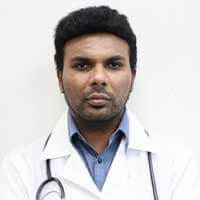
Dr. M. Senthil Kumar

MBBS, MS - General Surgery

medikit icon 21 Years Experience

  4.9/5   Available

  No 16 & 50, Block Z, River View Colony, Chennai

Proctology Urology Vascular
Dr. M. Senthil Kumar is an expert and experienced General Surgeon, Proctologist, and Laparoscopic Surgeon with an experience of 18 years, and specialzies in Urology, Proctology, Laparoscopy, and Vascular. He graduated and obtained his MBBS degree from PSGIMR Coimbatore in 2004, and then his postgraduate MS degree from PSGIMR Coimbatore in 2014.Currently, he is practicing at Pristyn Care Clinic in Chennai. He is fluent in English,Hindi and provides compassionate care for all his patients to ensure complete recovery. He has been commended by his patients for his caring nature, hard working attitude, and willingness to be there for them - any time of day and night.He provides treatment for the following - Piles, Fissure, Fistula, Abscess,Pilonidal Sinus, Anal Polyps, Anal Warts, Rectal Prolapse, Toenail, Vascular, Varicose Veins,Thrombosis, Dvt, Diabetic Foot Ulcer, Foot Ulcer, Varicocele, Umbilical Hernia, Inguinal Hernia, Incisional Hernia, Hiatus, Gallstones, Stent Removal, Cyst Removal, Hydrocele, Urethral Stricture, Erectile Dysfunction, Urinary Tract Infection, Urinary Incontinence, Balnitis, Phimosis, Paraphimosis. He is registered in the Indian Medical Registry with the license number 74123. He strives to provide advanced medical care in a comfortable and holistic environment for all patients coming to him for treatment.
Read more

ARUL RADHAKRISHNAN

“best experience at pristyn care ”

calender icon   Date: 06-11-24

Ebenezer P

“good”

calender icon   Date: 24-10-24

doctor-image
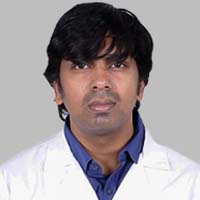
Dr. Prabhakar Padmanabhan

MBBS, MS - General Surgery

medikit icon 15 Years Experience

  5.0/5

Proctology Urology Laparoscopy
Dr. Prabhakar Padmanabhan is an expert and experienced General Surgeon with over 14 years of experience. He completed his MBBS from Kursk State Medical University, Russia, in 2010, followed by an MS in General Surgery from Meenakshi University, Kanchipuram, in 2015. He further enhanced his expertise by obtaining a Fellowship in Minimal Access Surgery (FMAS) from the World Laparoscopic Hospital, Delhi, in 2016, and a Fellowship in Gastrointestinal Endo Surgery (FIAGES) in 2019. He is registered with the Tamil Nadu Medical Council. Throughout his career, Dr. Padmanabhan has held several significant positions. He served as an Assistant Professor at Meenakshi Medical College, Kanchipuram, from 2015 to 2016, where he delivered lectures and practical training in general surgery to medical students and assisted in surgical operations, focusing on skill development and the application of minimal access surgery. Since 2016, he has been a Senior Assistant Professor in the Department of General Surgery at Rajiv Gandhi Government General Hospital, Chennai. In this role, he leads and teaches advanced surgical techniques and methodologies to medical students and residents, conducts and supervises complex surgical procedures with a focus on laparoscopic and minimally invasive techniques, and contributes to departmental research and clinical trials to advance surgical practices and patient care. Dr. Padmanabhan is proficient in a wide range of surgical procedures, including advanced laparoscopic surgery, minimal access surgery, gastrointestinal endo surgery, and laser proctology. He has been recognized for his contributions to surgical education and training, as well as his involvement in clinical research and trials. Known for his dedication to patient care, Dr. Padmanabhan strives to provide advanced medical services in a compassionate and holistic environment.
Read more

wilson

“Good prolite patience Over 👍👍”

calender icon   Date: 24-03-25

doctor-image
Dr. M. Senthil Kumar

MBBS, MS - General Surgery

medikit icon 21 Years Experience

  4.9/5

Proctology Urology Vascular
Dr. M. Senthil Kumar is an expert and experienced General Surgeon, Proctologist, and Laparoscopic Surgeon with an experience of 18 years, and specialzies in Urology, Proctology, Laparoscopy, and Vascular. He graduated and obtained his MBBS degree from PSGIMR Coimbatore in 2004, and then his postgraduate MS degree from PSGIMR Coimbatore in 2014.Currently, he is practicing at Pristyn Care Clinic in Chennai. He is fluent in English,Hindi and provides compassionate care for all his patients to ensure complete recovery. He has been commended by his patients for his caring nature, hard working attitude, and willingness to be there for them - any time of day and night.He provides treatment for the following - Piles, Fissure, Fistula, Abscess,Pilonidal Sinus, Anal Polyps, Anal Warts, Rectal Prolapse, Toenail, Vascular, Varicose Veins,Thrombosis, Dvt, Diabetic Foot Ulcer, Foot Ulcer, Varicocele, Umbilical Hernia, Inguinal Hernia, Incisional Hernia, Hiatus, Gallstones, Stent Removal, Cyst Removal, Hydrocele, Urethral Stricture, Erectile Dysfunction, Urinary Tract Infection, Urinary Incontinence, Balnitis, Phimosis, Paraphimosis. He is registered in the Indian Medical Registry with the license number 74123. He strives to provide advanced medical care in a comfortable and holistic environment for all patients coming to him for treatment.
Read more

ARUL RADHAKRISHNAN

“best experience at pristyn care ”

calender icon   Date: 06-11-24

Ebenezer P

“good”

calender icon   Date: 24-10-24

doctor-image
Dr. Prabhakar Padmanabhan

MBBS, MS - General Surgery

medikit icon 15 Years Experience

  5.0/5

Proctology Urology Laparoscopy
Dr. Prabhakar Padmanabhan is an expert and experienced General Surgeon with over 14 years of experience. He completed his MBBS from Kursk State Medical University, Russia, in 2010, followed by an MS in General Surgery from Meenakshi University, Kanchipuram, in 2015. He further enhanced his expertise by obtaining a Fellowship in Minimal Access Surgery (FMAS) from the World Laparoscopic Hospital, Delhi, in 2016, and a Fellowship in Gastrointestinal Endo Surgery (FIAGES) in 2019. He is registered with the Tamil Nadu Medical Council. Throughout his career, Dr. Padmanabhan has held several significant positions. He served as an Assistant Professor at Meenakshi Medical College, Kanchipuram, from 2015 to 2016, where he delivered lectures and practical training in general surgery to medical students and assisted in surgical operations, focusing on skill development and the application of minimal access surgery. Since 2016, he has been a Senior Assistant Professor in the Department of General Surgery at Rajiv Gandhi Government General Hospital, Chennai. In this role, he leads and teaches advanced surgical techniques and methodologies to medical students and residents, conducts and supervises complex surgical procedures with a focus on laparoscopic and minimally invasive techniques, and contributes to departmental research and clinical trials to advance surgical practices and patient care. Dr. Padmanabhan is proficient in a wide range of surgical procedures, including advanced laparoscopic surgery, minimal access surgery, gastrointestinal endo surgery, and laser proctology. He has been recognized for his contributions to surgical education and training, as well as his involvement in clinical research and trials. Known for his dedication to patient care, Dr. Padmanabhan strives to provide advanced medical services in a compassionate and holistic environment.
Read more

wilson

“Good prolite patience Over 👍👍”

calender icon   Date: 24-03-25

The rectum is located at the end of the large intestine. It is the section of the digestive tract where the stool is held before it passes through the system. When the stool reaches the rectum, you may experience an urge to defecate. A group of muscles push the stool out of the anus. A rectal prolapse occurs when the rectum is pushed out along with the stool. The word ‘prolapse’ is used when any organ of the body slips from its original position. 

Rectal prolapse is more common in women than in men and generally affects people over 50 years or those who have a history of chronic constipation or diarrhoea. 

Overview

What are the Benefits of Laser Rectal Prolapse Surgery?
  • Minimally invasive: Laser rectal prolapse surgery is a minimally invasive procedure that has numerous benefits. It involves minimal to no incisions or cuts and the recovery also takes much shorter compared to traditional surgeries for rectal prolapse. 
  • Outpatient Procedure: One of the primary advantages of this surgery is that it can be performed on an outpatient basis.
  • Lesser pain: Patients who undergo laser rectal prolapse surgery typically experience less pain and a faster recovery time compared to traditional surgery.
  • Precise method: The use of laser technology allows for greater precision during the procedure, resulting in a lower risk of complications and a better outcome for patients.
  • Low risk of infection: Laser rectal prolapse surgery is also associated with a reduced risk of infection and bleeding.
  • Reduced incontinence: Patients who undergo this surgery often have improved bowel function and a reduced risk of incontinence.
  • Effective treatment: Laser rectal prolapse surgery can be an effective treatment option for patients who have not responded to other conservative methods.
  • Improved quality of life: The benefits of laser rectal prolapse surgery extend beyond just physical health, as patients also experience an improved quality of life.
How to Prepare For Rectal Prolapse Surgery?
  • Consult with your doctor to discuss the procedure and any potential risks.
  • Follow the pre-operative instructions provided by your healthcare team.
  • Make sure you have someone to drive you to and from the hospital on the day of the surgery.
  • Arrange for someone to stay with you for the first few days after the surgery to assist with daily activities.
  • Avoid eating or drinking anything after midnight the night before the surgery.
  • Stop taking ibuprofen, warfarin, or any herbal supplements as they can act as blood-thinning agents and may lead to excessive bleeding during the procedure. 
  • Wear comfortable clothing that is easy to take on and off on the day of the surgery.
  • Prepare your home for your recovery by setting up a comfortable area with pillows, blankets, and entertainment.
  • Follow any additional instructions provided by your healthcare team to ensure a successful surgery and recovery.
How to Recover After Laser Rectal Prolapse Surgery?
  • After rectal prolapse surgery, it is important to take medicines on time as prescribed by your doctor.
  • You may experience discomfort and swelling in the surgical area, which can be managed with ice packs and medicines.
  • It is important to avoid lifting heavy objects or engaging in strenuous activities for several weeks after surgery.
  • You should eat a high-fiber diet to avoid constipation and straining during bowel movements.
  • Drinking plenty of water and staying hydrated can also help prevent constipation.
  • Your doctor may recommend stool softeners or laxatives to help ease bowel movements.
  • It is important to follow any post-surgery care instructions given by your doctor or healthcare team.
  • You may experience some bleeding or discharge after surgery, which is normal and should subside within a few days.
  • It is important to attend all post-surgery follow-up appointments to monitor your recovery progress.
  • If you experience severe pain, fever, or other concerning symptoms, contact your doctor immediately.
What Lifestyle Changes Do I Need to Make After Rectal Prolapse Treatment Through Surgery?
  • Avoiding heavy lifting: Heavy lifting can put a strain on the muscles in the pelvic area and can lead to a recurrence of rectal prolapse. It is important to avoid lifting anything heavy for at least six weeks after the surgery.
  • Eating a high-fiber diet: A diet that is high in fiber can help to prevent constipation, which can put pressure on the rectum and lead to a recurrence of rectal prolapse. Foods that are high in fiber include fruits, vegetables, whole grains, and legumes.
  • Staying hydrated: Drinking plenty of water can help prevent constipation and keep stools soft, making them easier to pass.
  • Exercising regularly: Regular exercise can help to improve overall health and strengthen the muscles in the pelvic area, reducing the risk of rectal prolapse in the future
  • Avoiding straining during bowel movements: Straining during bowel movements can put pressure on the rectum and increase the risk of another rectal prolapse. It is important to use the restroom as soon as the urge arises and to avoid pushing or straining.
  • Maintaining a healthy weight: Being overweight can put additional pressure on the pelvic muscles and increase the risk of rectal prolapse. Maintaining a healthy weight through a balanced diet and regular exercise can help to reduce this risk.
What are the Risks and Complications Associated with Rectal Prolapse Surgery?
  • Infection is a potential risk associated with rectal prolapse surgery.
  • Hemorrhage or excessive bleeding is another possible complication of the procedure.
  • Damage to nearby organs such as the bladder or urethra, could occur during surgery.
  • Urinary retention may occur following the procedure.
  • There is a risk of developing blood clots after rectal prolapse surgery.
  • Bowel obstruction is a rare but possible complication of the procedure.
  • Fecal incontinence or difficulty controlling bowel movements may occur following surgery.
  • The risk of complications increases with age and other underlying medical conditions.
  • Anesthesia-related complications may occur during the surgery.
  • Recurrence of rectal prolapse following surgery is also a potential risk.
What are the Non-Surgical Treatment Options for Rectal Prolapse?

Home remedies to Prevent rectal Prolapse

If you are experiencing rectal prolapse, there are several home remedies you can try to prevent rectal prolapse

  • Kegel Exercises: Kegel exercises involve contracting and relaxing the muscles in the pelvic floor. These exercises can help strengthen the muscles in the rectum and anus, which can help prevent rectal prolapse.
  • Fiber-Rich Diet: Eating a diet that is high in fiber can help prevent constipation, which is a common cause of rectal prolapse. Some good sources of fiber include whole grains, fruits, and vegetables.
  • Bowel Movement Management: Avoid holding in bowel movements for long periods of time. This can cause the rectum to stretch and weaken, which can lead to rectal prolapse.
  • Ice Packs: Applying an ice pack to the affected area can help reduce swelling and discomfort.
  • Stay Hydrated: Drinking plenty of water can help soften stools and prevent constipation, which can help prevent rectal prolapse.

It is important to note that while these home remedies may provide relief, they are not a substitute for medical treatment. If you are experiencing rectal prolapse, it is important to consult with an experienced proctologist to determine the underlying cause and appropriate treatment options.

Rectal Prolapse Diagnosis

The complete diagnostic procedure for rectal prolapse includes:

Physical Examination: In the physical examination, the doctor observes the rectum and may insert a gloved and lubricated finger in the anus to check the strength of the anal sphincter and the rectum. In this exam, the doctor will ask you to describe your symptoms and medical history to understand the condition better. They may even ask you to squat and strain as you do during the bowel movement. 

Based on the findings of the physical assessment, the doctor might ask you to get some other tests done. 

  • Anal electromyography (EMG): This test lets doctors measure the effectiveness of muscles and nerves in the rectum. The doctors place electrodes a few inches into the rectum to perform this test. The procedure takes a few minutes. 
  • Colonoscopy: This diagnostic procedure involves the insertion of a thin and flexible tube with a small camera (colonoscope) into the rectum to perform a visual exam of the area. 
  • Anorectal manometry: In this test, doctors use a flexible tube which is the size of a thermometer and has a small deflated balloon attached to its end to measure the rectum’s response to pressure. The device is inserted into the rectum before conducting the test. 
  • Barium enema: In the Barium Enema test, the doctors place a chalky liquid containing barium in the rectum of the patient. The barium becomes visible on the X-rays, producing clear images of the area. 
  • Defecography: In this test, the doctors use x-rays or MRIs to monitor your colon as you have a bowel movement. 
  • Lower GI series: To perform this test, doctors place a chalky liquid containing barium in the large intestine of the patient. This liquid lets doctors get a clear picture of the area on an x-ray. 
  • Transit study: In this test, the doctor asks the patient to swallow one or more capsules which have markers on them. These markers can be seen on the X-ray. After swallowing the capsules, the patient has to appear for x-rays for the next 5 days. It helps doctors assess how the markers pass through the intestines. 

Surgical Treatment for Rectal Prolapse

There are various surgical treatment options for rectal prolapse, including; 

Rectopexy for Rectal Prolapse Surgery Through The Abdomen

Rectopexy is also known as rectal prolapse surgery through the abdomen. The procedure is typically performed under general anesthesia and requires a hospital stay of several days. Recovery time can vary, but most patients are able to return to normal activities within a few weeks. Rectopexy is considered a safe and effective treatment for rectal prolapse and has a high success rate in preventing the recurrence of the condition. Here’s how this surgery is performed: 

  1. During a rectopexy procedure, the surgeon will make an incision in the abdomen. 
  2. The surgeon will then locate the rectum and dissect it carefully from the surrounding tissues. 
  3. After this, the surgeon will suture the rectum to the sacrum, and will ensure that the rectum is properly positioned. 
  4. The surgeon will then close the incision in the abdomen with sutures or staples. 
  5. The patient will be monitored closely following the procedure to ensure proper healing.

Laparoscopic rectal prolapse surgery

Laparoscopic rectal prolapse surgery is a minimally invasive procedure that is used to treat rectal prolapse. This surgery is performed through small incisions in the abdomen rather than a large incision in the rectum. This approach has many benefits, including less pain, faster recovery times, and a lower risk of complications. Patients who undergo laparoscopic rectal prolapse surgery can typically return to their normal activities within a few weeks. Here’s an explanation of  the steps involved in a laparoscopic rectal prolapse surgery to help you understand the procedure properly: 

Step 1: The surgeon will administer general anesthesia to the patient.

Step 2: After the patient is sedated, the surgeon will insert a laparoscope into the abdomen.

Step 3: The surgeon will make small incisions in the abdomen to insert surgical instruments.

Step 4: The surgeon will locate the rectum and gently pull it out of the body.

Step 5: The surgeon will remove any excess tissue or prolapsed areas from the rectum.

Step 6: The surgeon will suture the rectum back into place.

Step 7: The surgeon will close the incisions with sutures or staples.

Step 8: The patient will be monitored in the recovery room before hospital discharge.

Robotic surgery

Robotic surgery for rectal prolapse is a minimally invasive surgical procedure that offers several benefits over traditional open surgery. These benefits include reduced blood loss, less pain and scarring, and shorter hospital stays. Recovery time after robotic surgery for rectal prolapse is typically shorter than with open surgery, with most patients able to return to normal activities within a few weeks. Here’s how a robotic surgery for rectal prolapse is performed: 

  1. The surgeon will make small incisions in the patient’s abdomen. 
  2. The robotic arms will be inserted through the incisions. 
  3. The surgeon will control the robotic arms from a console. 
  4. The robot will create a 3D image of the surgical site. 
  5. The surgeon will use the robotic arms to remove any excess tissue causing the rectal prolapse. 
  6. The surgeon will use sutures to secure the rectum in its proper position. 
  7. The robotic arms will be removed, and the incisions will be closed. 
  8. The patient will be monitored for complications and given appropriate medication for pain management.

Perineal Rectosigmoidectomy

Perineal Rectosigmoidectomy is a surgical procedure that removes part of the rectum and sigmoid colon via the perineum. Benefits include faster recovery time and lower risk of complications. Recovery time varies but is generally shorter than traditional surgery. This surgery is performed in the following steps: 

  1. The surgeon will make an incision in the perineum. 
  2. The surgeon will then dissect the rectum and mobilize it.
  3. The surgeon will then create a suture line at the distal rectum.
  4. The surgeon will then pull the rectum down and remove the redundant tissue.
  5. The surgeon will then create a colostomy if needed.
  6. The surgeon will then close the perineal incision.
  7. The patient will be monitored after the procedure for any complications.

Delorme Procedure

The Delorme procedure is another surgical treatment for rectal prolapse. It involves folding and sewing a portion of the rectal wall to itself to reinforce weak or damaged tissue. Benefits include improved bowel function and reduced risk of recurrence. Recovery time varies but typically takes 2-4 weeks. The steps of the Delorme procedure for rectal prolapse treatment are as follows:

  1. The surgeon will administer anesthesia to the patient.
  2. The surgeon will insert a special instrument called a proctoscope into the rectum to visualize the prolapse.
  3. The surgeon will remove the prolapsed tissue using a scalpel or scissors.
  4. The surgeon will then suture the edges of the remaining rectal tissue together.
  5. The surgeon will check the area to ensure there is no bleeding or damage.
  6. When the procedure is complete, the patient will be shifted to the recovery room.